
Blog
What a better client journey looks like.
June 15, 2026 | 4 min read
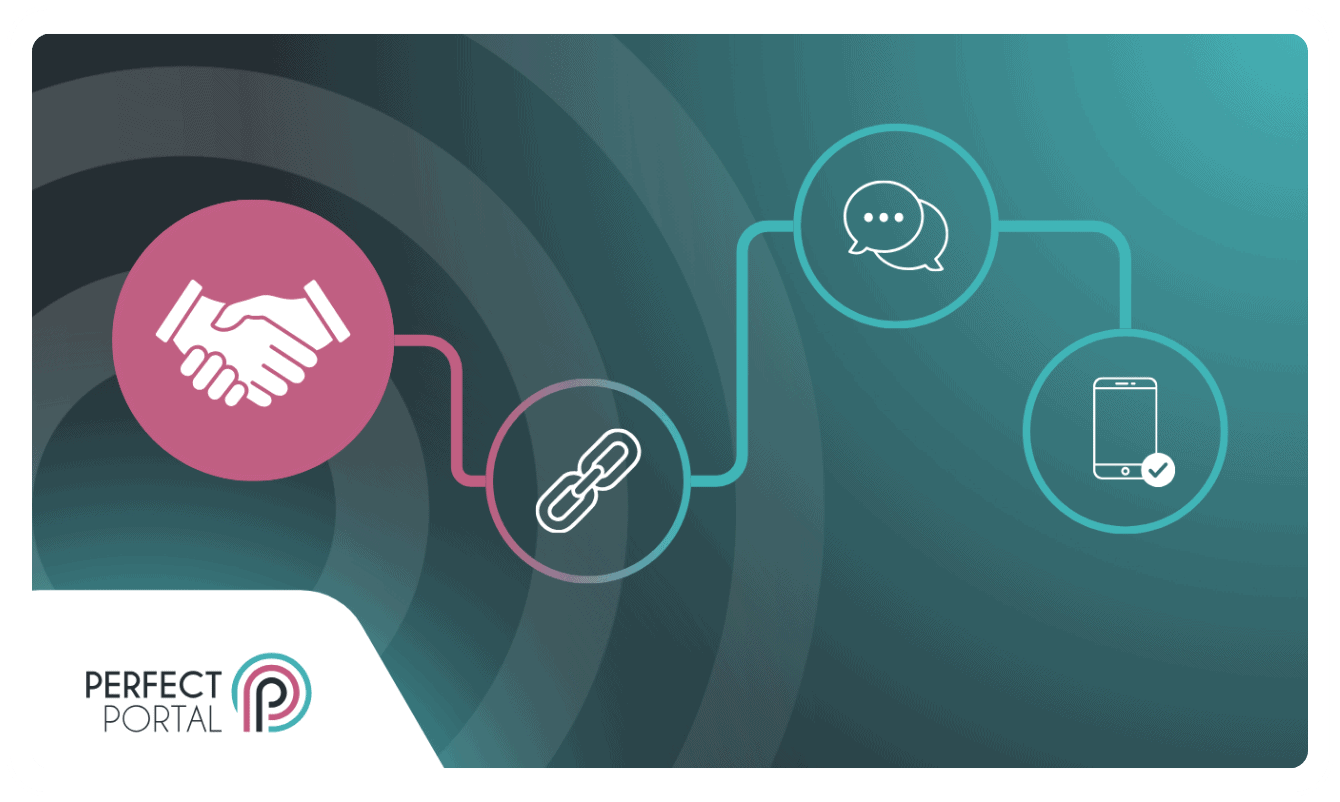
A better client journey starts before onboarding has even begun. From the first enquiry through to quoting and instruction, the early experience can shape how confident, reassured, and supported a client feels as they move forward.
This blog looks at where friction can appear early in the client journey, why continuity matters between each stage, and how small changes can create a more connected experience.
- Slow responses or unclear next steps
- Too much back-and-forth communication
- Clients repeating information between different stages
- Limited visibility once client onboarding begins
- Disconnected processes creating extra work for firms
For many clients, the experience gap begins before onboarding has even started.
The earliest stages of the journey – from initial enquiry through to quoting and instruction – often shape how confident, reassured, and supported clients feel moving forward. Long before legal work begins, clients are already forming an impression of how easy the process will be to navigate.
But these are also the stages where momentum can easily be lost.
Slow responses, unclear next steps, repeated questions, or too much back-and-forth communication can quickly make the process feel harder than expected. What should feel like a smooth introduction to the firm can instead start to feel disjointed before onboarding has even begun.
Small changes make a big difference.
Improving the early journey does not necessarily require firms to completely redesign the way they work.
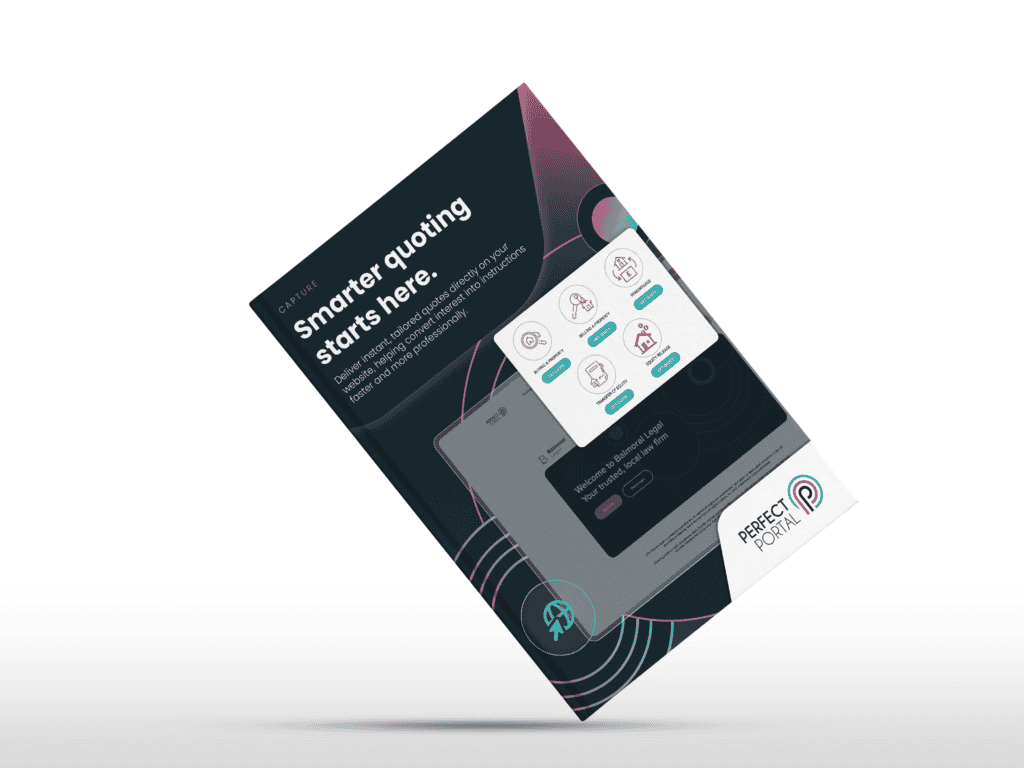
In many cases, small improvements can significantly change how the experience feels from the client’s perspective. Acknowledging enquiries quickly, simplifying the quoting process, setting expectations clearly from the outset, and making next steps easier to understand can all help create greater confidence early on.
When the first stages of the journey feel organised and easy to follow, clients are far more likely to feel comfortable progressing into onboarding.
Client onboarding should feel like a continuation of that experience, not the point where the process suddenly becomes more complicated.
Where journeys start to feel disconnected.
One of the biggest frustrations clients experience is when the transition between stages feels unclear.
Information may need to be provided more than once, communication can move across different channels, and visibility of progress is often lost once client onboarding begins. From the client’s perspective, the journey can start to feel fragmented, even when the legal process itself is moving forward correctly.
Behind the scenes, firms often experience similar friction. Teams spend time following up on outstanding tasks, reconnecting information between systems, or manually managing communication across different stages of the process.
Over time, these small inefficiencies build up and create unnecessary pressure for both clients and fee earners.
Creating a more connected experience.
A better client journey is not about changing the legal process itself. It’s about improving how that process is experienced from start to finish.
That means creating greater continuity between enquiry, quoting, onboarding, and communication so the journey feels more connected and easier to navigate throughout.
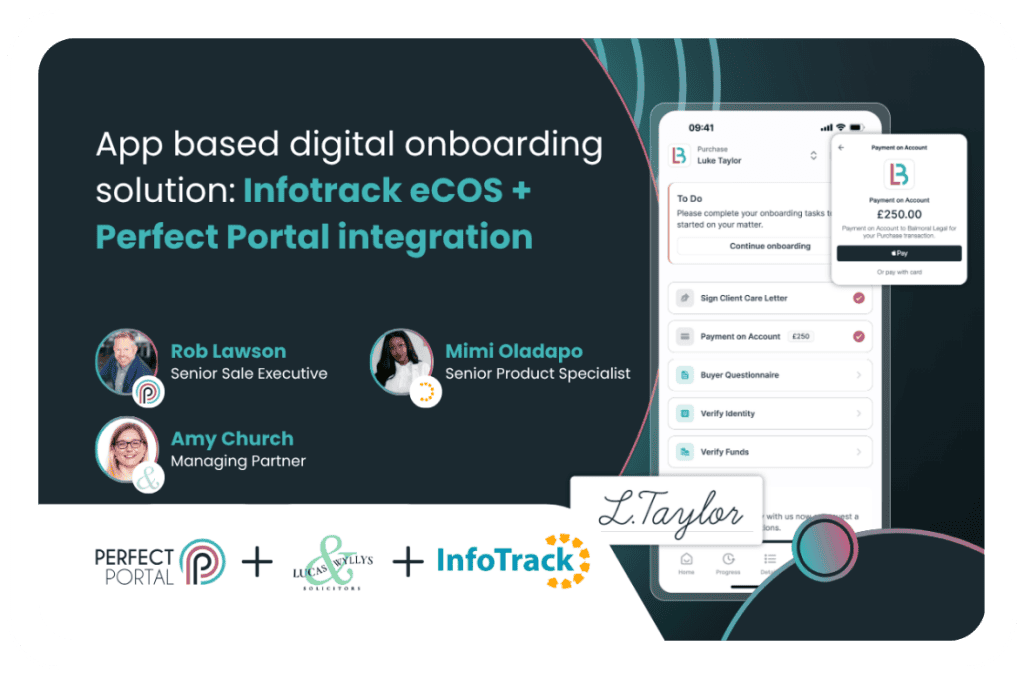
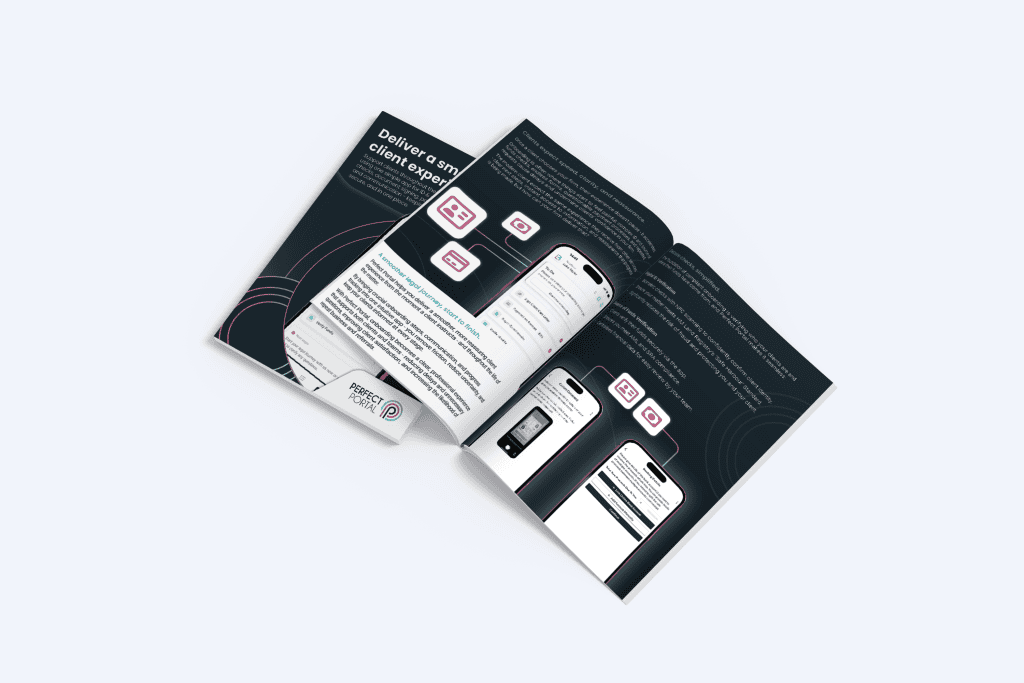
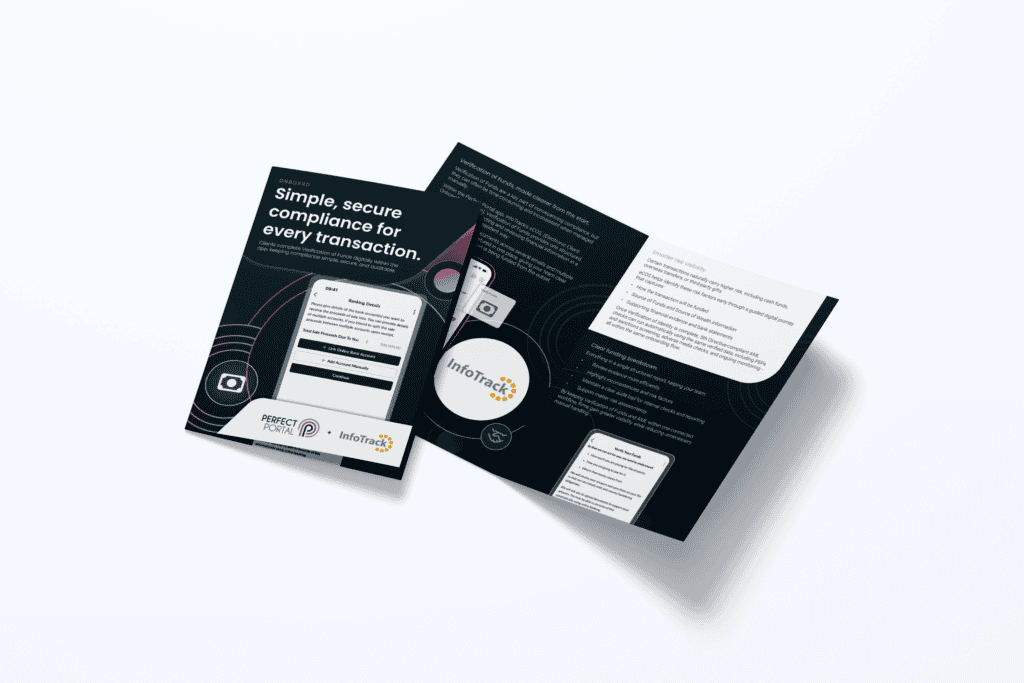
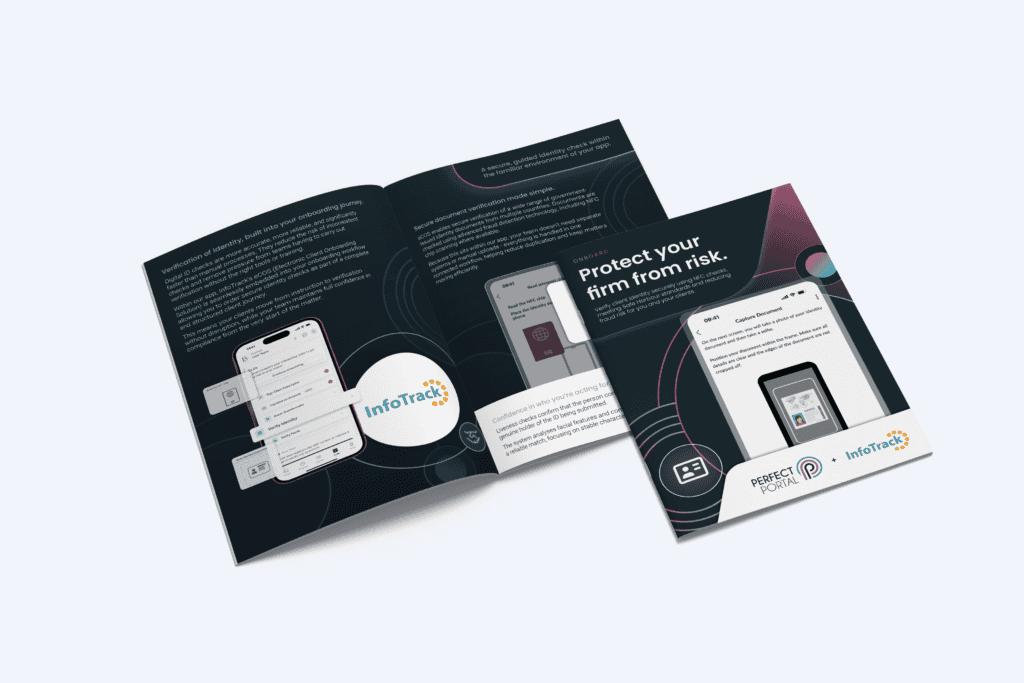
At Perfect Portal, we work closely with InfoTrack’s eCOS onboarding solution to help support that connected experience. From quote stage through to onboarding, the focus is on reducing unnecessary friction and creating a clearer flow between each stage of the journey.
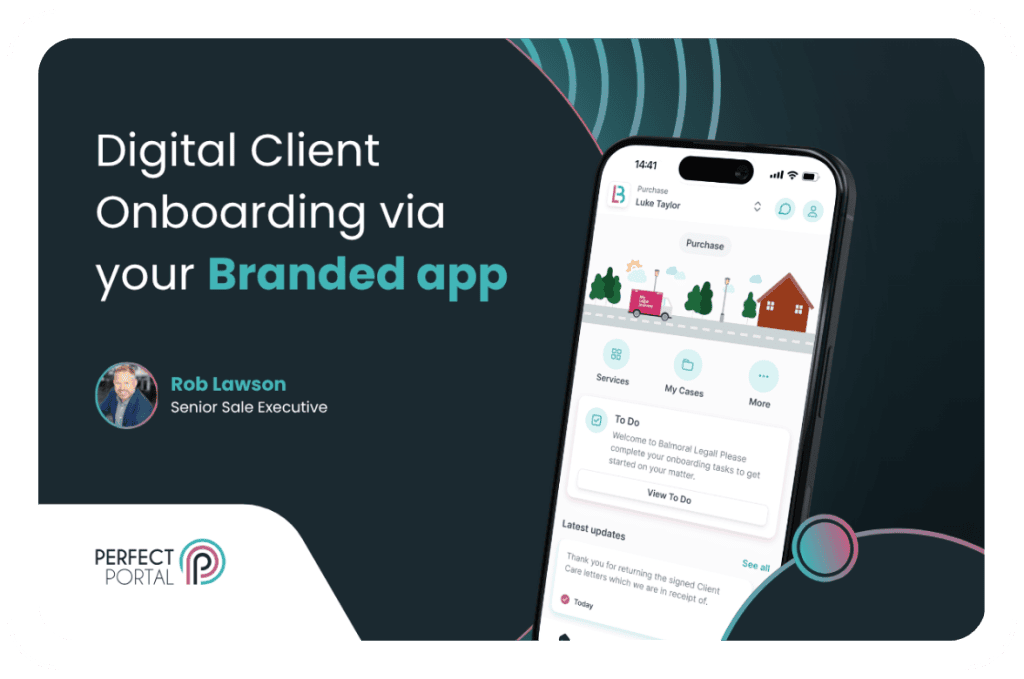
Property searches can be processed earlier during quoting to improve cost visibility from the outset, while onboarding through the Perfect Portal app and eCOS helps clients complete ID Verification, Source of Funds checks, client care letters, and key forms in one connected experience.
The aim is not to change what firms need to do, but to make the journey feel clearer, more consistent, and easier to manage for everyone involved.
Why the journey matters.
The firms creating the strongest client experiences are not fundamentally changing the legal process – they’re improving how it feels to move through.
As expectations continue to evolve, clients increasingly value clarity, responsiveness, and visibility throughout the journey. And because onboarding happens so early in the relationship, the experience surrounding it often shapes how the rest of the service is perceived.
A better client journey doesn’t necessarily come from one major change. It comes from looking at the experience as a whole and identifying where small points of friction can be removed.
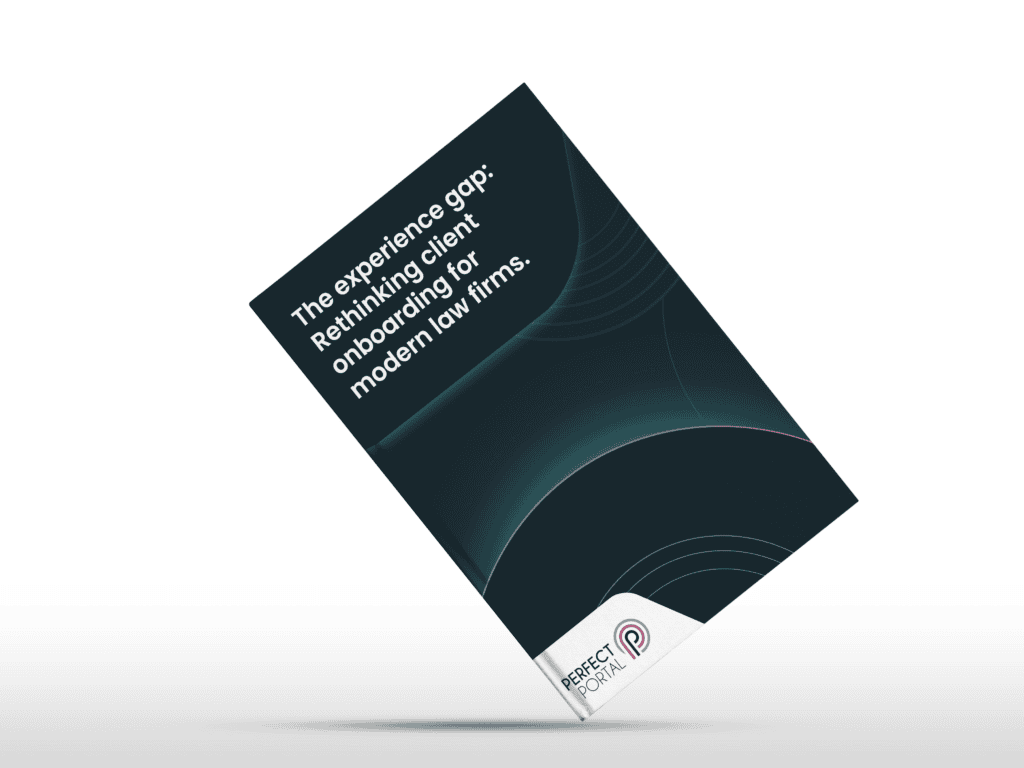
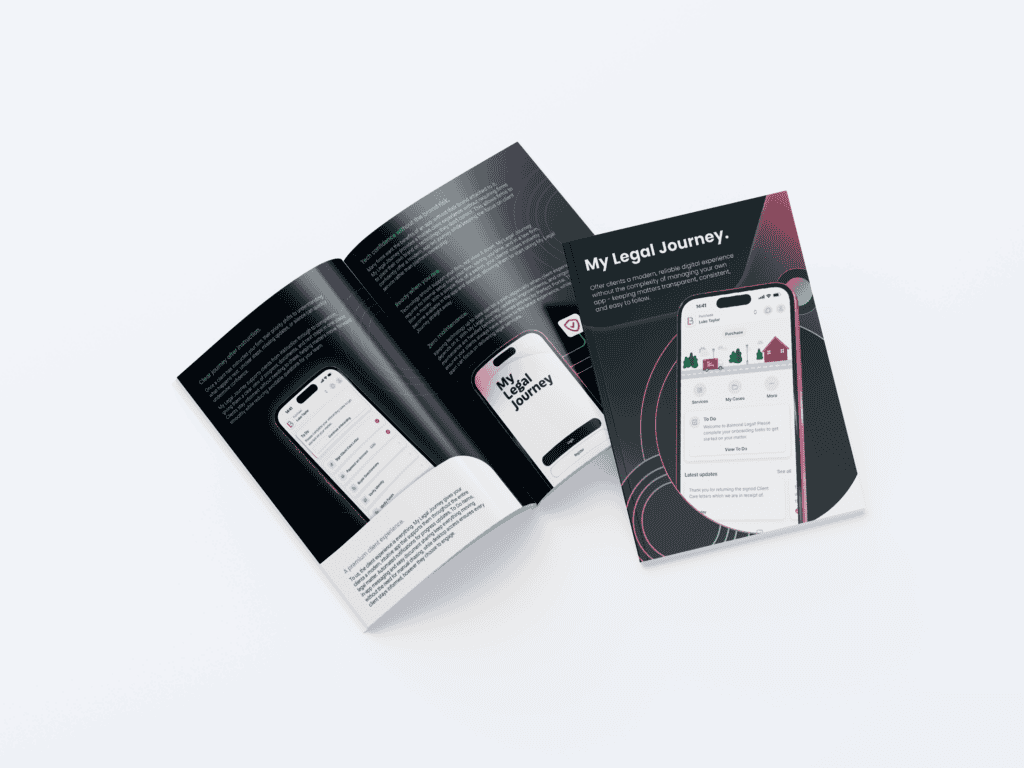
This is something we explore further in our latest guide, which looks at the experience gap in client onboarding and what a more connected journey can look like in practice.
Download the guide to explore the experience gap in more detail.
RESOURCES
Insights to help
law firms work smarter
- CASE STUDY
How Lucas & Wyllys modernised the client journey with a connected legal technology ecosystem.
Discover how
- CASE STUDY
How Ridley & Hall scaled while delivering exceptional client experience with Perfect Portal.
Discover how
- CASE STUDY
How BLJ leveraged Perfect Portal for smarter data, clearer journeys and measurable growth.
Discover how
- CASE STUDY
How Cook & Talbot modernised client communication with Perfect Portal to win more work.
Discover how
- CASE STUDY
How GloverPriest unified systems and improved efficiency through Tikit P4W and Perfect Portal.
Discover how
- CASE STUDY
How Lyons Bowe improved their compliance and client experience with Perfect Portal’s digital onboarding solution.
Discover how
- BLOG
Top 5 reasons why integrated systems matter.
- BLOG
How to cut conveyancing onboarding from weeks to days.
- BLOG
The Perfect Portal Perspective: Home Buying & Selling Reform Series | Part 2
- BLOG
One journey, two experiences: why fixing client friction supports your team too.
- BLOG
How easy is it to instruct your law firm?
- BLOG
Why better client experience starts with better information.
- BLOG
The Perfect Portal Perspective: Home Buying & Selling Reform Series | Part 1
- BLOG
Why your clients need greater visibility.
- BLOG
Technology that supports better client experience.
- Webinar
App based digital onboarding solution: InfoTrack eCOS + Perfect Portal integration.
Watch recording