
Blog
5 best practices for creating a better client experience.
June 29, 2026 | 5 min read
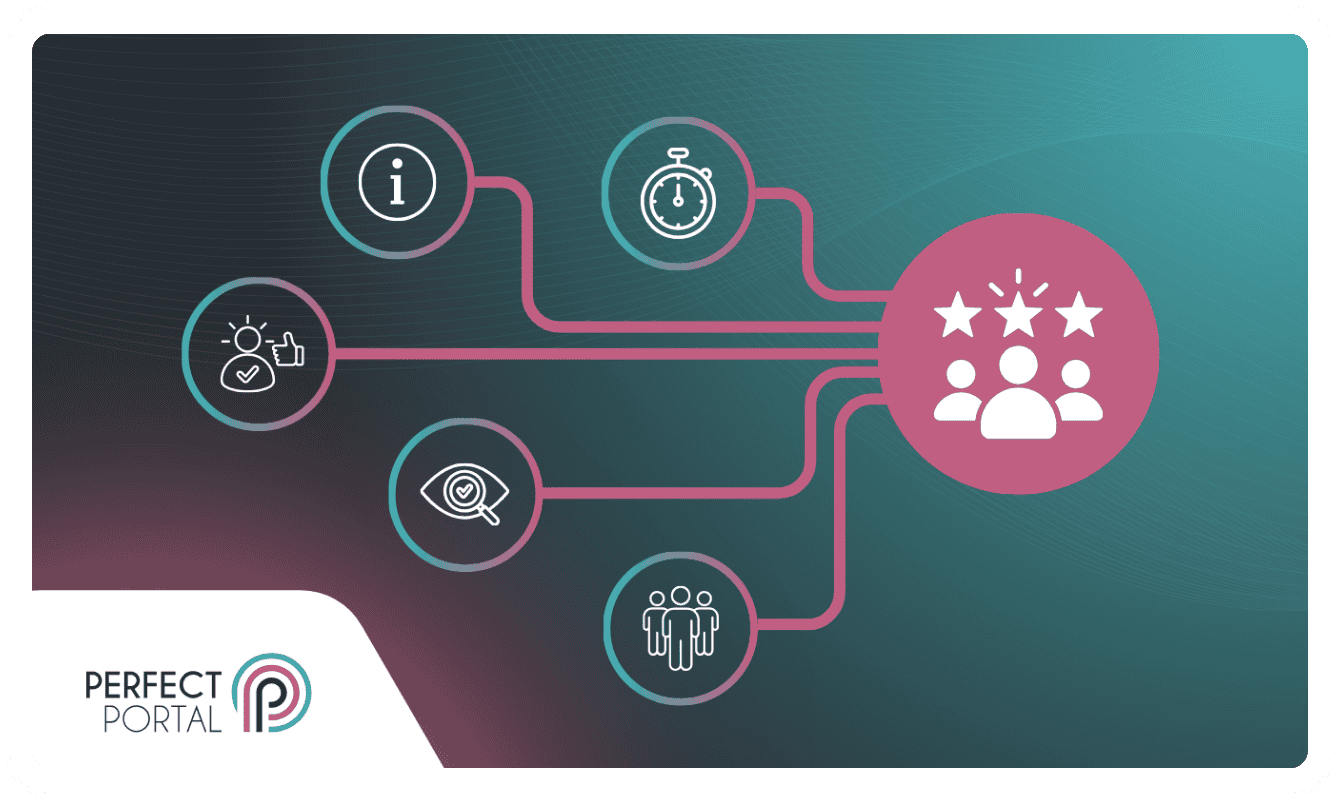
Client expectations are continuing to evolve, and creating a better client experience doesn’t always mean making major changes to the way a firm works. This blog looks at five practical ways firms can reduce friction, improve communication and make the client journey feel clearer and easier to navigate.
- Slow responses can create uncertainty from the very first interaction
- Unclear information can make legal processes feel more complicated than they need to be
- Repeating information can make the journey feel disconnected
- Limited visibility can leave clients unsure of what happens next
- Technology should support the client experience without replacing the human element
Client expectations are continuing to evolve.
People are used to digital experiences that feel quick, straightforward, and easy to navigate in almost every part of daily life and those expectations naturally carry across when working with a law firm.
But creating a better client experience is not always about introducing major changes or completely redesigning processes. In many cases, it comes down to reducing friction in smaller, more consistent ways throughout the journey.
Often, it’s the little moments that shape how clients feel about the experience overall. How quickly enquiries are acknowledged. How clearly information is explained. Whether communication feels joined up or repetitive.
These details matter more than many firms realise.
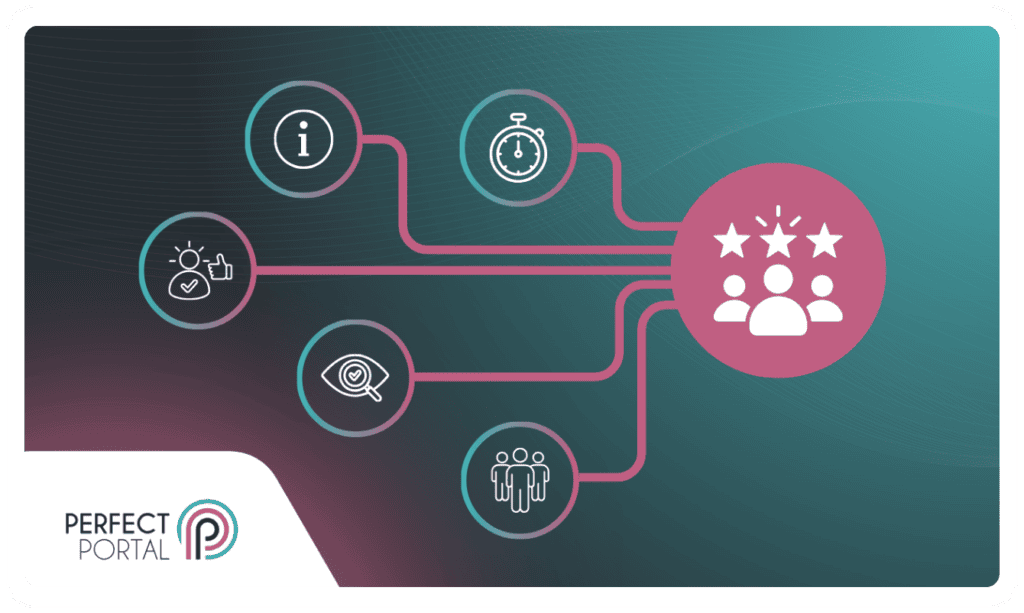
Here are five practices that can make a meaningful difference to how the client journey feels from the very beginning.
1. Respond quickly to every enquiry.
The first interaction often sets the tone for everything that follows.
Acknowledging enquiries quickly whether through a short email, a phone call, or an update on the same day helps clients feel recognised and reassured early on. It creates confidence that the process is moving and that their enquiry matters.
Delays at this stage can quickly slow momentum. Even when firms are busy, long gaps before responding or sending quotes can make the experience feel uncertain before it has properly begun.
Clients are often comparing responsiveness as much as anything else.
2. Keep communication clear and easy to follow.
Legal processes naturally involve information clients may not be familiar with.
What feels routine internally can feel confusing from the client’s perspective, particularly during onboarding or compliance stages. Clear communication plays a huge role in reducing that uncertainty.
Simple explanations around why information is needed, what happens next, and what clients should expect can make the process feel far more manageable.
Clients are not expecting firms to remove complexity from legal work entirely they simply want the journey itself to feel easier to follow.
3. Reduce repetition wherever possible.
Few things create frustration faster than clients feeling like they need to repeat themselves throughout the journey.
When information already provided at enquiry or quote stage needs to be submitted again later on, the experience can quickly start to feel disconnected.
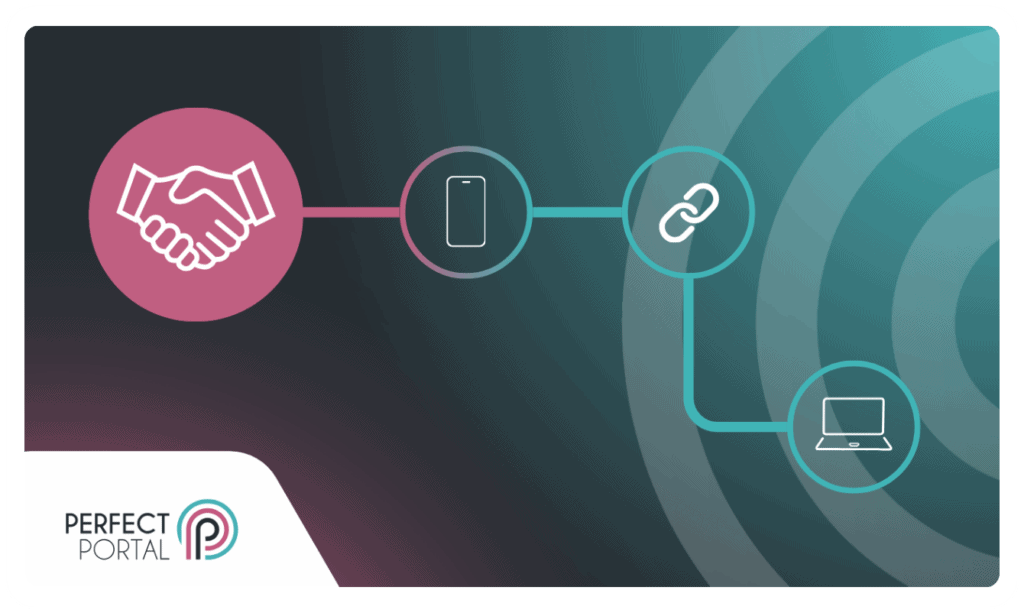
Creating continuity between stages helps the process feel smoother and more joined up.
Carrying information through from enquiry into onboarding not only reduces friction for clients but also helps minimise unnecessary administration internally.
The strongest journeys feel connected from start to finish rather than split into separate stages.
4. Give clients better visibility throughout the process.
One of the biggest causes of uncertainty during onboarding is simply not knowing what is happening.
Clients are far more likely to feel comfortable when they can clearly see where they are in the process, what actions are outstanding, and what happens next.
This does not mean overwhelming clients with long lists of tasks upfront. In fact, too much information all at once can often have the opposite effect.
Instead, the focus should be on creating a journey that feels guided and manageable, with progress communicated clearly throughout.
5. Keep the human element central.
As firms continue to introduce more technology into onboarding and client communication, it’s important not to lose sight of the human side of the experience.
Technology can make journeys faster, clearer, and easier to manage but clients still value reassurance, empathy, and personal support when they need it.
The strongest client experiences are rarely fully automated. They combine efficient digital processes with human communication that feels supportive and responsive at the right moments.
Technology should support relationships, not replace them.
Improving the experience starts with reducing friction.
Creating a better client experience is rarely about one major change. More often, it comes from consistently removing friction, improving communication, and making the journey easier to navigate from the outset.
For firms, these improvements do more than support happier clients. They also help create more connected, manageable, and efficient processes internally.
And as expectations continue to evolve, the firms focusing on experience are often the ones creating stronger relationships from the very beginning.
To explore this topic further, download our Experience Gap guide and take a closer look at how firms can create more connected onboarding journeys for both clients and fee earners.
RESOURCES
Insights to help
law firms work smarter
- CASE STUDY
How Lucas & Wyllys modernised the client journey with a connected legal technology ecosystem.
Discover how
- CASE STUDY
How Ridley & Hall scaled while delivering exceptional client experience with Perfect Portal.
Discover how
- CASE STUDY
How BLJ leveraged Perfect Portal for smarter data, clearer journeys and measurable growth.
Discover how
- CASE STUDY
How Cook & Talbot modernised client communication with Perfect Portal to win more work.
Discover how
- CASE STUDY
How GloverPriest unified systems and improved efficiency through Tikit P4W and Perfect Portal.
Discover how

- CASE STUDY
How Lyons Bowe improved their compliance and client experience with Perfect Portal’s digital onboarding solution.
Discover how
- BLOG
How to cut conveyancing onboarding from weeks to days.
- BLOG
The Perfect Portal Perspective: Home Buying & Selling Reform Series | Part 2
- BLOG
One journey, two experiences: why fixing client friction supports your team too.
- BLOG
How easy is it to instruct your law firm?
- BLOG
Why better client experience starts with better information.
- BLOG
The Perfect Portal Perspective: Home Buying & Selling Reform Series | Part 1
- BLOG
Why your clients need greater visibility.
- BLOG
Technology that supports better client experience.
- BLOG
5 best practices for creating a better client experience.
- Webinar
App based digital onboarding solution: InfoTrack eCOS + Perfect Portal integration.
Watch recording