
Blog
Is your legal client onboarding actually working for your team?
June 8, 2026 | 4 min read
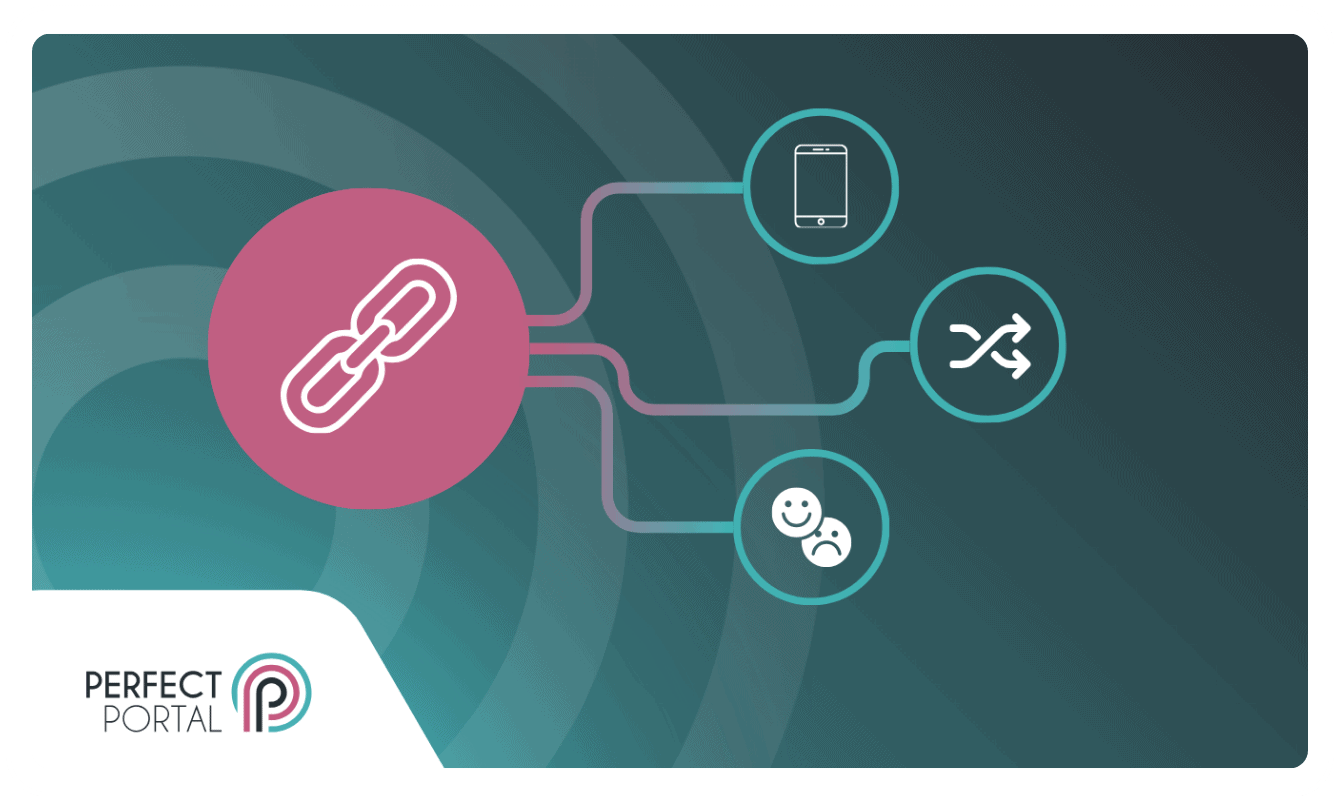
Legal client onboarding for law firms is expected to be a clear, structured process that helps matters get started efficiently and gives fee earners confidence that everything is in place. But while client onboarding may work on paper, the day-to-day experience can often feel very different, with small inefficiencies creating extra admin, interruptions and delays.
This blog looks at how client onboarding actually feels for fee earners and why a process that technically works can still create unnecessary friction.
- Time lost chasing missing or incomplete client information
- Switching between systems that don’t fully connect
- Repeating requests when information hasn’t been provided correctly
- Managing client onboarding alongside existing workloads and deadlines
- Small administrative tasks building up and affecting productivity
What onboarding looks like in practice.
In most firms, legal client onboarding sits alongside everything else fee earners are responsible for. Unless there is a dedicated new business team managing it, it becomes part of the day-to-day workload – something to fit around active matters, client communication, and deadlines.
Instead of moving through a clear, joined-up process, it can often feel more fragmented:
- Switching between tasks rather than following a single flow
- Chasing missing or incomplete information
- Repeating requests when something hasn’t come back correctly
- Working across multiple systems that don’t fully connect
Individually, these steps may seem small. But together, they create friction. What should be a straightforward starting point can quickly feel harder to manage than expected.
The hidden impact on time and focus.
Much of this work happens in small moments, quick follow-ups, checking details, switching between systems.
But over time, it adds up.
Focus is broken, time is lost, and momentum becomes harder to maintain. Instead of onboarding supporting the start of the matter, it can begin to slow things down before the legal work has even properly begun.
Why it often feels this way.
Client onboarding processes are typically shaped around compliance, risk, and operational requirements – all of which are essential.
But the experience of using those processes every day isn’t always considered in the same way.
As a result, something that works in theory doesn’t always feel efficient in practice. Steps may be correct, but not always easy to follow. Systems may exist but not always connect. Communication may happen, but not always in a way that supports the overall flow.
Even where technology has been introduced, the experience doesn’t automatically improve. Tools can help, but only if they work together in a way that feels clear and consistent.
Adapting to the process.
Over time, fee earners adapt.
They find ways to keep things moving – following up earlier, double-checking details, or managing parts of the process manually. While this helps in the moment, it can also mean inefficiencies become part of the routine.
And because onboarding still “gets done”, the experience behind it isn’t always questioned.
Why this matters.
The internal experience of onboarding has a wider impact than it might seem.
When it feels slower or more fragmented, it affects how work flows through the firm. It puts pressure on workloads, makes it harder to maintain consistency, and can influence how quickly matters get moving.
It also shapes the client experience, often more than expected.
And because onboarding happens right at the start, it sets the tone for everything that follows.
A moment to rethink the process.
Legal client onboarding for law firms doesn’t need to feel this way.
The challenge isn’t what needs to be done – it’s how it’s brought together in practice.
That’s exactly what prompted us to look more closely at the experience from enquiry to onboarding for law firms and their clients.
If any part of the process feels slower, more manual, or more fragmented than it should be, it’s worth taking a step back and looking at it differently.
Download our guide today to explore the experience gap in more detail.
RESOURCES
Insights to help
law firms work smarter
- CASE STUDY
How Lucas & Wyllys modernised the client journey with a connected legal technology ecosystem.
Discover how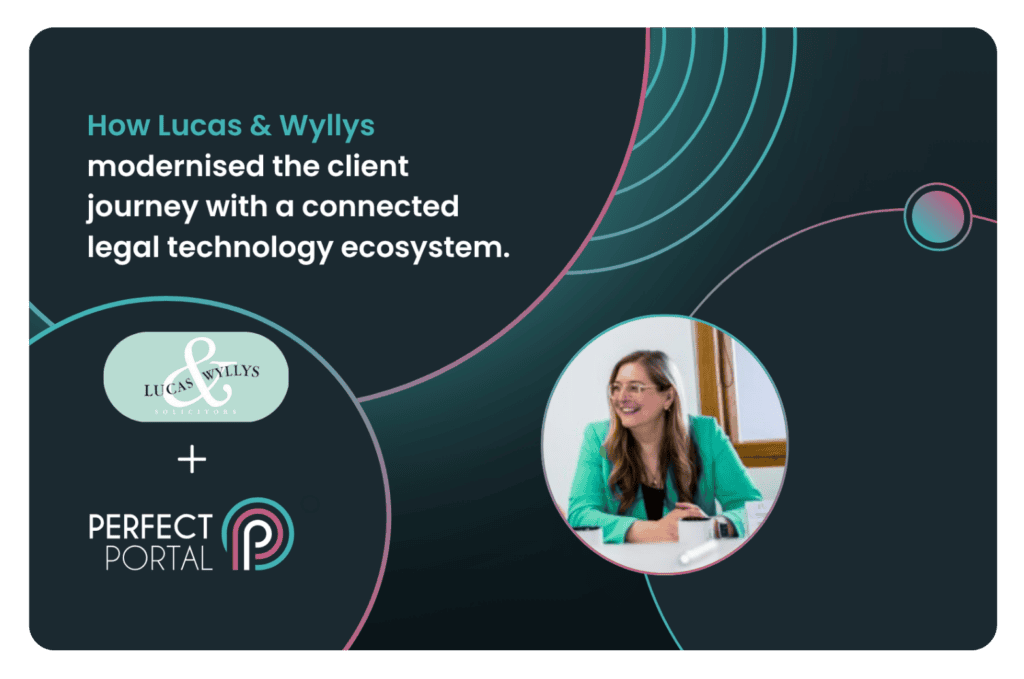
- CASE STUDY
How Ridley & Hall scaled while delivering exceptional client experience with Perfect Portal.
Discover how
- CASE STUDY
How BLJ leveraged Perfect Portal for smarter data, clearer journeys and measurable growth.
Discover how
- CASE STUDY
How Cook & Talbot modernised client communication with Perfect Portal to win more work.
Discover how
- CASE STUDY
How GloverPriest unified systems and improved efficiency through Tikit P4W and Perfect Portal.
Discover how

- CASE STUDY
How Lyons Bowe improved their compliance and client experience with Perfect Portal’s digital onboarding solution.
Discover how
- BLOG
Top 5 reasons why integrated systems matter.
- BLOG
How to cut conveyancing onboarding from weeks to days.
- BLOG
The Perfect Portal Perspective: Home Buying & Selling Reform Series | Part 2
- BLOG
One journey, two experiences: why fixing client friction supports your team too.
- BLOG
How easy is it to instruct your law firm?
- BLOG
Why better client experience starts with better information.
- BLOG
The Perfect Portal Perspective: Home Buying & Selling Reform Series | Part 1
- BLOG
Why your clients need greater visibility.
- BLOG
Technology that supports better client experience.
- Webinar
App based digital onboarding solution: InfoTrack eCOS + Perfect Portal integration.
Watch recording