
Blog
The Perfect Portal Perspective: Home Buying & Selling Reform Series | Part 2
September 16, 2026 | 5 min read
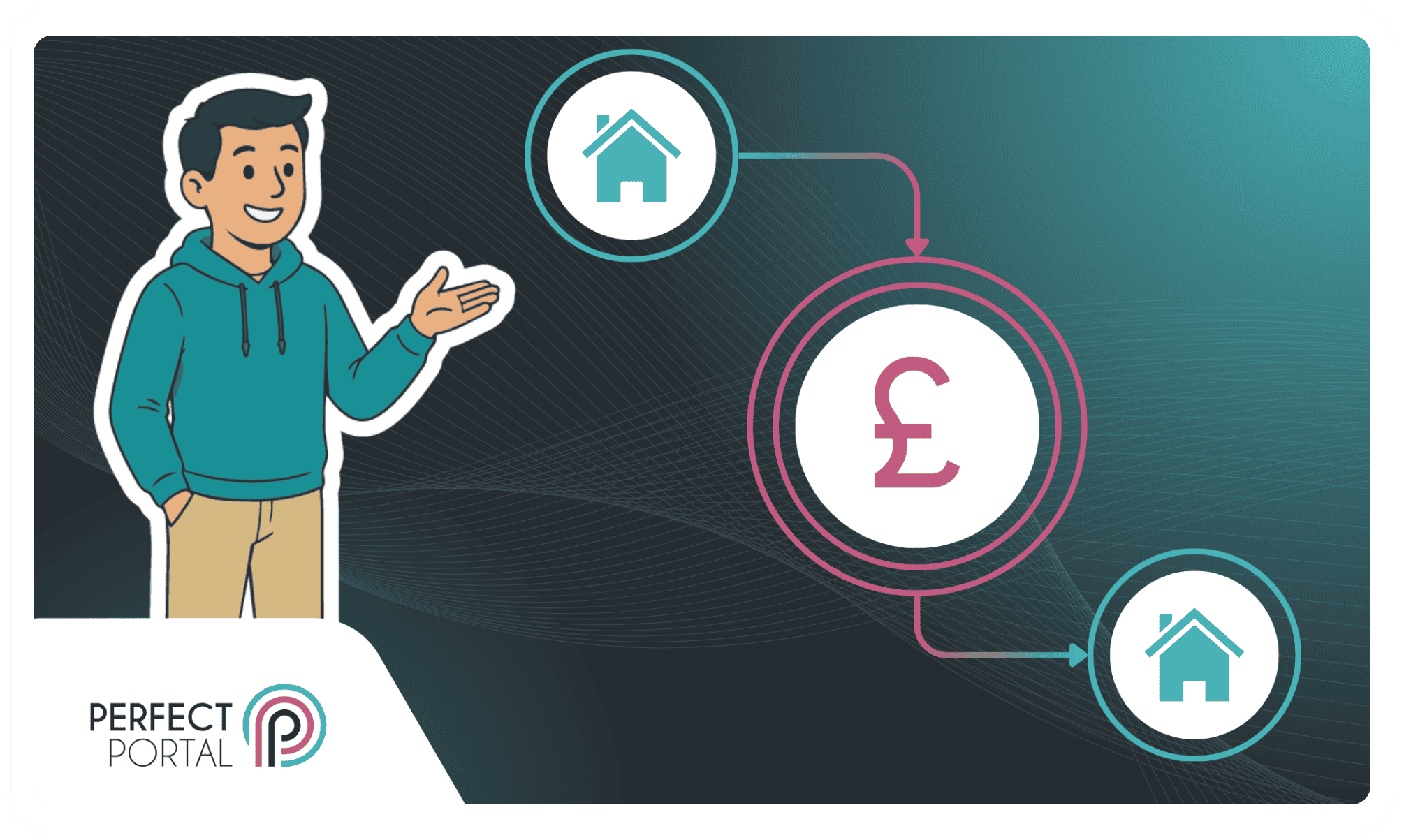
The Government’s proposal to require more upfront property information could significantly change how the home-buying process works. This article explores why providing information earlier could help create greater transparency and confidence, while also considering the practical questions around accuracy, cost and responsibility.
In this article, we explore:
- How upfront property information could help buyers make better-informed decisions
- Why simply providing more information isn’t enough
- The challenges of keeping property information accurate and up to date
- Whether upfront costs could create barriers for sellers
- How connected information could reduce duplication and create a smoother home-buying experience
The Government’s proposal to require more upfront property information is arguably one of the most significant changes outlined in its Home Buying & Selling Reform consultation. The ambition is clear: give buyers access to more of the information they need before making an offer, rather than weeks or months into the transaction.
On paper, it’s a compelling idea. Buyers would be able to make better-informed decisions, sellers could avoid unexpected issues arising later in the process, and conveyancers would spend less time dealing with surprises that delay or derail transactions.
It’s a proposal we welcome, but like many of the reforms within the consultation, its success won’t simply depend on introducing more information. It will depend on whether that information is trusted, accessible and practical for everyone involved.
More information should mean better decisions.
Anyone who has bought or sold a home will know how often important information emerges after an offer has already been accepted. Whether it’s a restrictive covenant, an unexpected leasehold cost, missing planning documentation or an issue identified through searches, these discoveries can quickly turn an exciting milestone into a frustrating and uncertain process.
Providing this information upfront has the potential to change that dynamic completely. Instead of making decisions based on limited knowledge, buyers could enter the transaction with a much clearer understanding of the property they’re purchasing. Sellers would benefit too, as buyers who choose to proceed are likely to do so with greater confidence and fewer unexpected surprises further down the line.
Ultimately, better-informed buyers should create more confident buyers, and confidence is something the home-buying process has been lacking for far too long.
Information alone isn’t enough.
While we fully support the principle behind this proposal, we believe the conversation needs to go beyond simply providing more documents. A large bundle of legal paperwork doesn’t automatically create transparency. In fact, for many consumers, it can have the opposite effect.
The real challenge is ensuring the information is accurate, consistent and presented in a way that helps buyers understand what it actually means. Consumers shouldn’t need to interpret hundreds of pages of technical documentation to understand whether a property is suitable for them. Equally, property professionals need confidence that the information they’re relying on is complete, current and can be trusted.
That’s where standardisation becomes so important. If every seller provides information in different formats, at different stages and to different standards, much of the benefit of this proposal could be lost.
Keeping information current.
One of the biggest practical questions this proposal raises is what happens after the information has been gathered.
Property transactions don’t always move quickly. A home may remain on the market for several months, during which searches can become outdated, circumstances can change and new information may come to light.
That raises several important questions: Who becomes responsible for ensuring the information remains accurate throughout the marketing process? If searches need to be refreshed, who pays for them? At what point does previously supplied information become outdated, and how will buyers know they are relying on the latest version?
These aren’t reasons to question the proposal itself. They’re the kinds of practical considerations that need to be addressed if upfront information is to become a trusted foundation of every transaction.
Will upfront costs discourage sellers?
Another consideration is the impact on sellers. Gathering property information before marketing inevitably introduces additional work and, in many cases, additional cost before a property has even gone on the market.
For many sellers, that may be a worthwhile investment if it leads to faster and more predictable transactions. However, for others, particularly first-time sellers or those facing financial pressures, it could become another barrier to entering the market.
The industry will need to consider how these upfront costs are managed to ensure the proposal improves the experience without unintentionally discouraging people from moving home.
The biggest opportunity is creating connected information.
For us, the most exciting aspect of this proposal isn’t simply moving information earlier in the process – it’s the opportunity to create information that is connected.
If trusted property information can be created once, maintained properly and securely shared between estate agents, conveyancers, lenders and buyers, it has the potential to remove much of the duplication that exists today. Rather than repeatedly requesting the same documents or carrying out the same checks, professionals could work from one consistent and trusted source of information throughout the transaction.
That doesn’t just create a faster process. It creates a better experience. When everyone involved is working from the same information, communication becomes clearer, expectations become more realistic and buyers are far less likely to encounter unexpected surprises later in the journey.
Our perspective.
We believe requiring upfront property information has the potential to become one of the most transformative proposals within the Government’s consultation.
Not because it introduces more documentation, but because it encourages a different way of thinking about the home-buying process. Instead of allowing uncertainty to build throughout a transaction, it shifts the focus towards confidence from the very beginning.
There are still important questions around responsibility, costs, consistency and maintaining accurate information over time, and these will ultimately determine how successful the proposal becomes. However, if the industry can answer those questions collaboratively, this reform has the potential to deliver something buyers and sellers have wanted for years: a home-buying process built on transparency, trust and better-informed decisions from day one.
RESOURCES
Insights to help
law firms work smarter
- CASE STUDY
How Lucas & Wyllys modernised the client journey with a connected legal technology ecosystem.
Discover how
- CASE STUDY
How Ridley & Hall scaled while delivering exceptional client experience with Perfect Portal.
Discover how
- CASE STUDY
How BLJ leveraged Perfect Portal for smarter data, clearer journeys and measurable growth.
Discover how

- CASE STUDY
How Cook & Talbot modernised client communication with Perfect Portal to win more work.
Discover how
- CASE STUDY
How GloverPriest unified systems and improved efficiency through Tikit P4W and Perfect Portal.
Discover how

- CASE STUDY
How Lyons Bowe improved their compliance and client experience with Perfect Portal’s digital onboarding solution.
Discover how
- BLOG
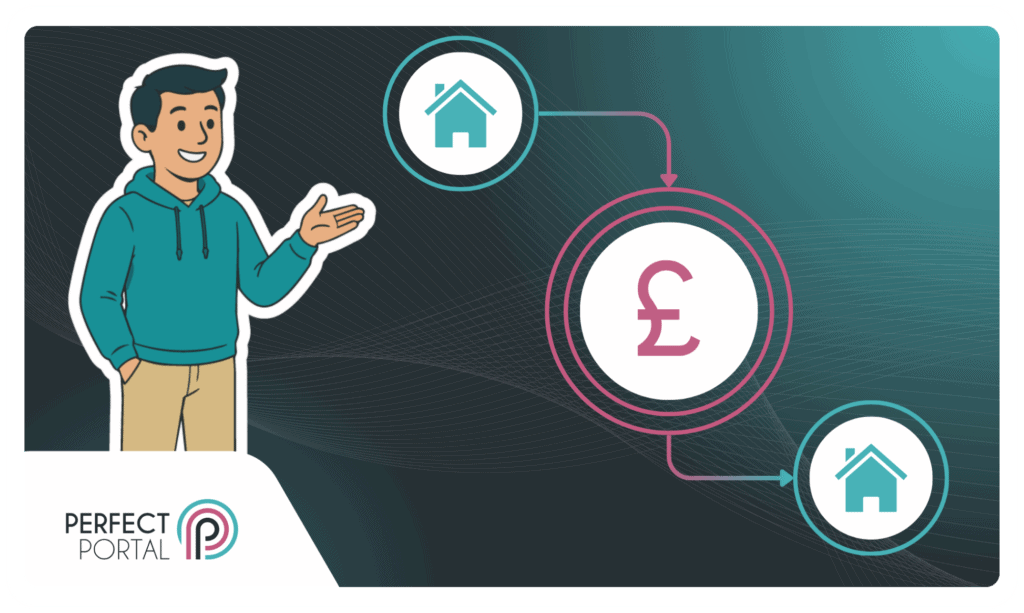
The Perfect Portal Perspective: Home Buying & Selling Reform Series | Part 2
- BLOG
One journey, two experiences: why fixing client friction supports your team too.
- BLOG
How easy is it to instruct your law firm?
- BLOG
Why better client experience starts with better information.
- BLOG
The Perfect Portal Perspective: Home Buying & Selling Reform Series | Part 1
- BLOG
Why your clients need greater visibility.
- BLOG
Technology that supports better client experience.
- BLOG
5 best practices for creating a better client experience.
- BLOG
Bold Legal Group Conveyancing Conference 2026: Data, digitalisation and the future of conveyancing.

- Webinar
App based digital onboarding solution: InfoTrack eCOS + Perfect Portal integration.
Watch recording