
Why client onboarding still frustrates your clients
March 19, 2026 | 2 min read
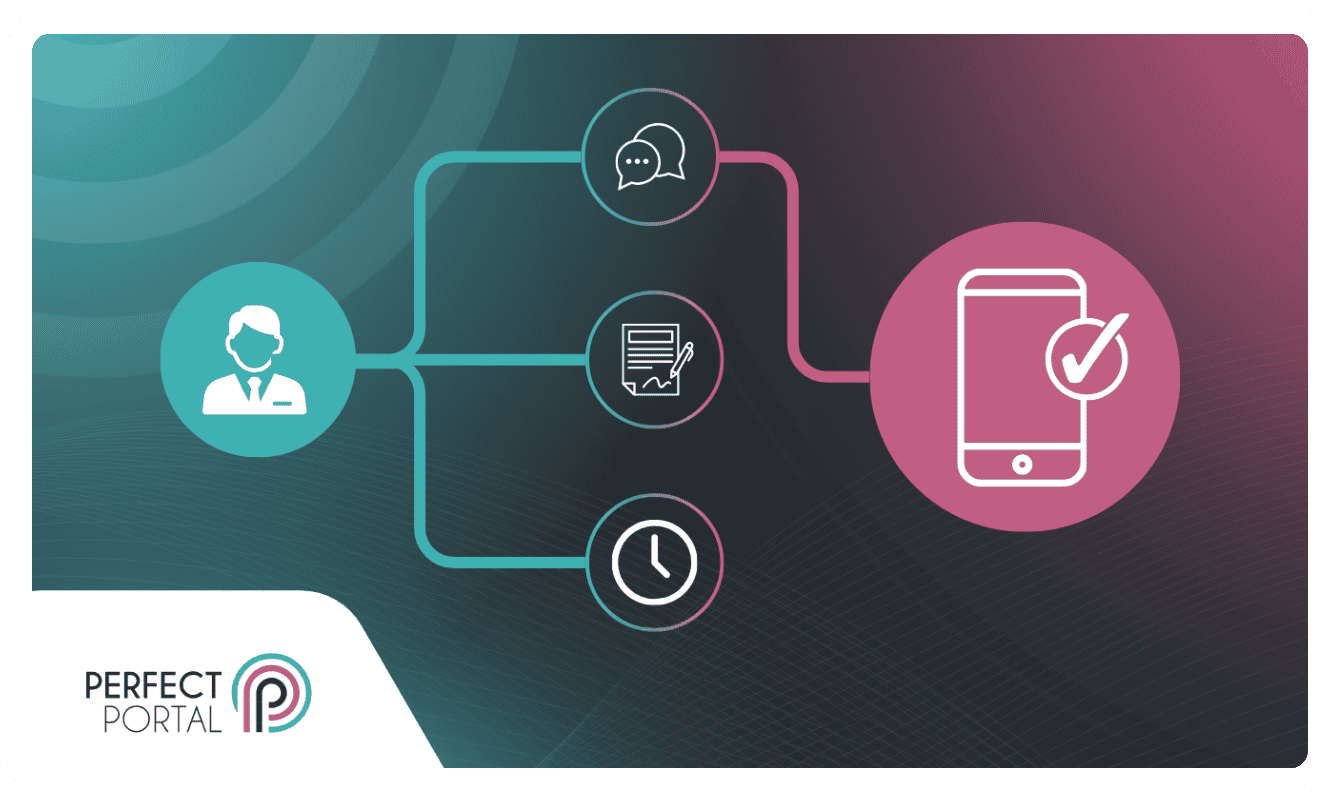
Legal onboarding is one of the most challenging stages of the client journey – and often the one that causes the most frustration. Even after a client decides to work with your firm, the process of getting fully set up can feel slow, confusing, and fragmented. For many, it’s the first real test of how organised and communicative the firm really is and too often, it falls short.
One of the biggest pain points is fragmented communication. Multiple emails, phone calls, and forms can leave clients unsure who to contact, what’s expected of them, or where they are in the process. This lack of clarity creates stress and slows things down, even before the main work itself begins.
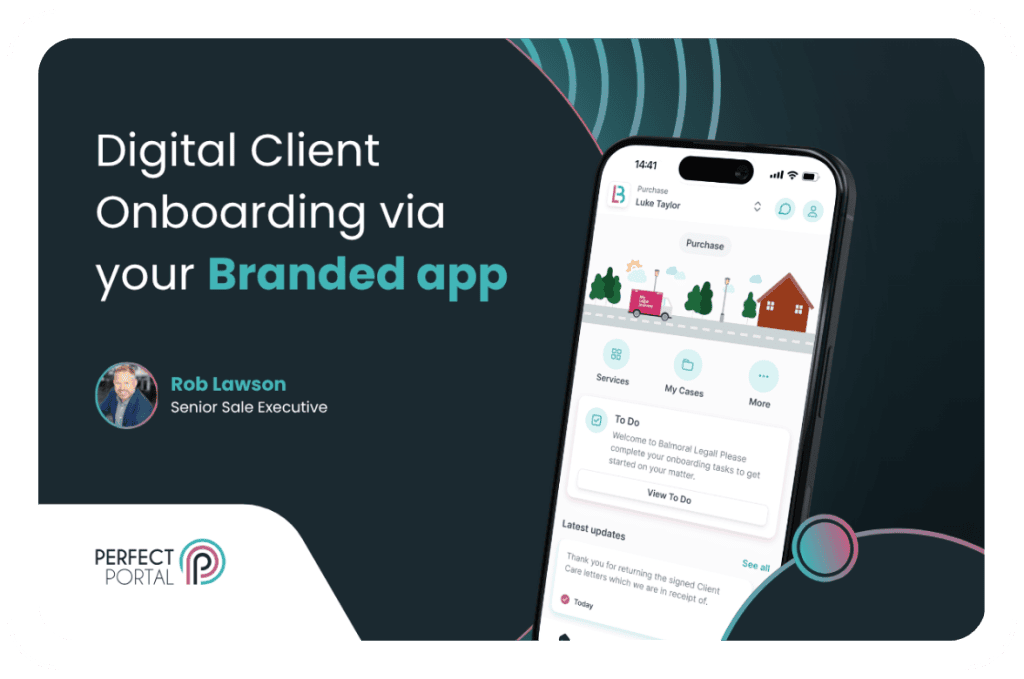
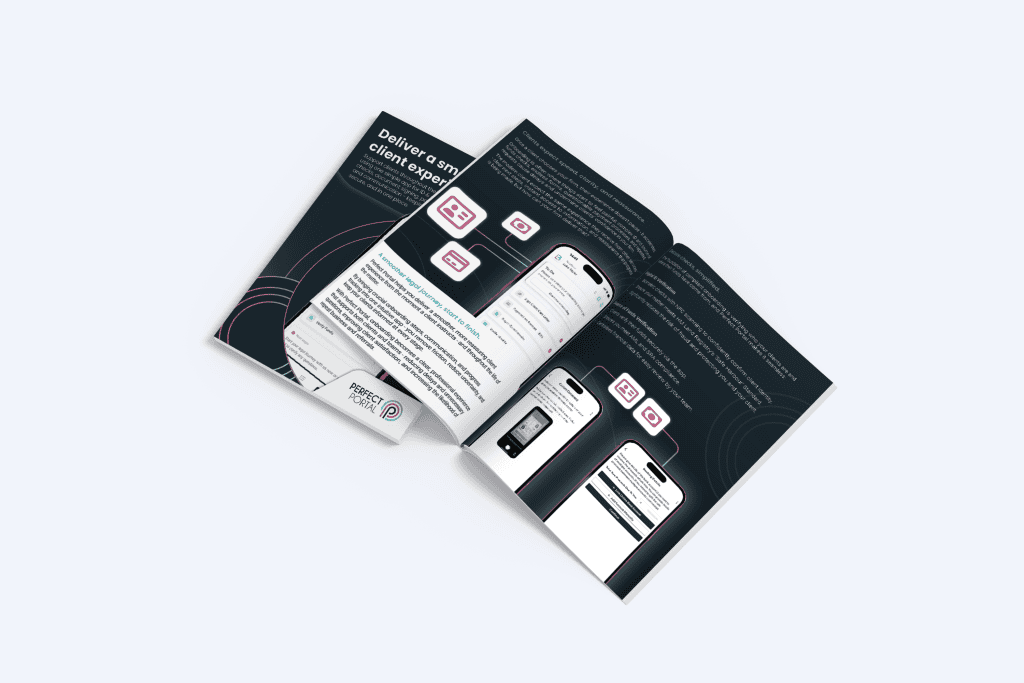
Today’s clients expect more. They’re used to digital-first experiences, real-time updates, and clear communication across every service they use. They want to see progress, get clear instructions, and complete tasks quickly. When onboarding doesn’t meet these expectations, it can feel outdated, slow, or frustrating.
Speed and convenience make a huge difference. Traditional onboarding often relies on manual paperwork, repeated requests for the same information, or slow internal processes. Every delay can reduce confidence and leave clients feeling frustrated or disengaged.
At its heart, client onboarding isn’t just another step of the process – it’s an early sign of the overall client experience. A process that feels disconnected or confusing can shape perceptions for the entire journey. Firms that fail to address these pain points risk slowing down responsiveness, creating friction, and undermining long-term relationships.
Keep an eye out for our upcoming blogs as we dive deeper into the challenges of client onboarding and share insights into creating client experiences that leave clients confident, informed, and engaged from day one.
RESOURCES
Insights to help
law firms work smarter
- CASE STUDY
How BLJ leveraged Perfect Portal for smarter data, clearer journeys and measurable growth.
Discover how
- CASE STUDY
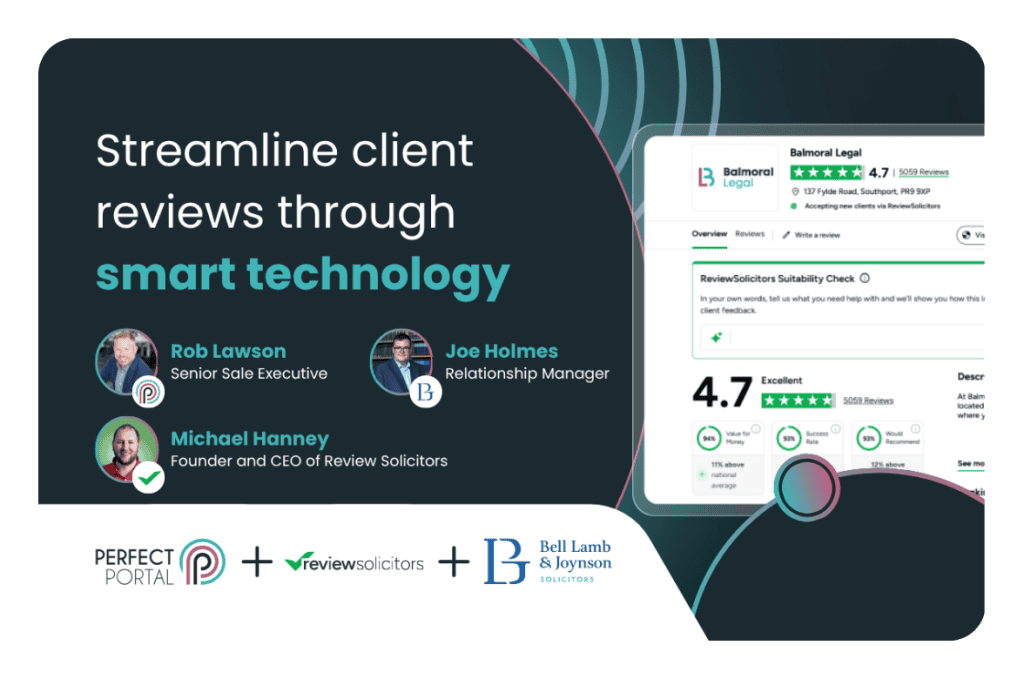
How Bell Lamb & Joynson turned client reviews into growth with Perfect Portal.
Discover how
- CASE STUDY
How Cook & Talbot modernised client communication with Perfect Portal to win more work.
Discover how
- CASE STUDY
How GloverPriest unified systems and improved efficiency through Tikit P4W and Perfect Portal.
Discover how

- CASE STUDY
How Perfect Portal’s digital onboarding solution helped Lyons Bowe improve compliance and client experience.
Discover how
- BLOG
The modern client onboarding journey starts with compliance.
- BLOG
The hidden operational cost of client onboarding for law firms.
- BLOG
Why client onboarding still frustrates your clients
- BLOG
Perfect Portal wins Legal Supplier of the Year

- BLOG
How better lead capture sets firms up for smoother onboarding
- BLOG
From click to client: How Perfect Portal can help your firm capture more business
- BLOG
From visibility to conversion: The next challenge for conveyancers
- BLOG
The first touchpoint shift: How home buying reform could redefine the Conveyancer’s role
- BLOG
Why first impressions matter when winning new legal work
- Webinar
App based digital onboarding solution: InfoTrack eCOS + Perfect Portal integration
Watch recording