
Blog
The hidden operational cost of client onboarding for law firms.
March 23, 2026 | 3 min read
Client onboarding is often viewed as a necessary step in the legal process but rarely is it seen for what it really is: a major part of what makes a firm run smoothly – or not.
Following on from the challenges explored in another recent article – why client onboarding still frustrates clients, it’s clear that the impact doesn’t stop at the client experience. Behind the scenes, inefficient onboarding creates a ripple effect that touches every part of a firm’s workload.
The administrative burden adds up.
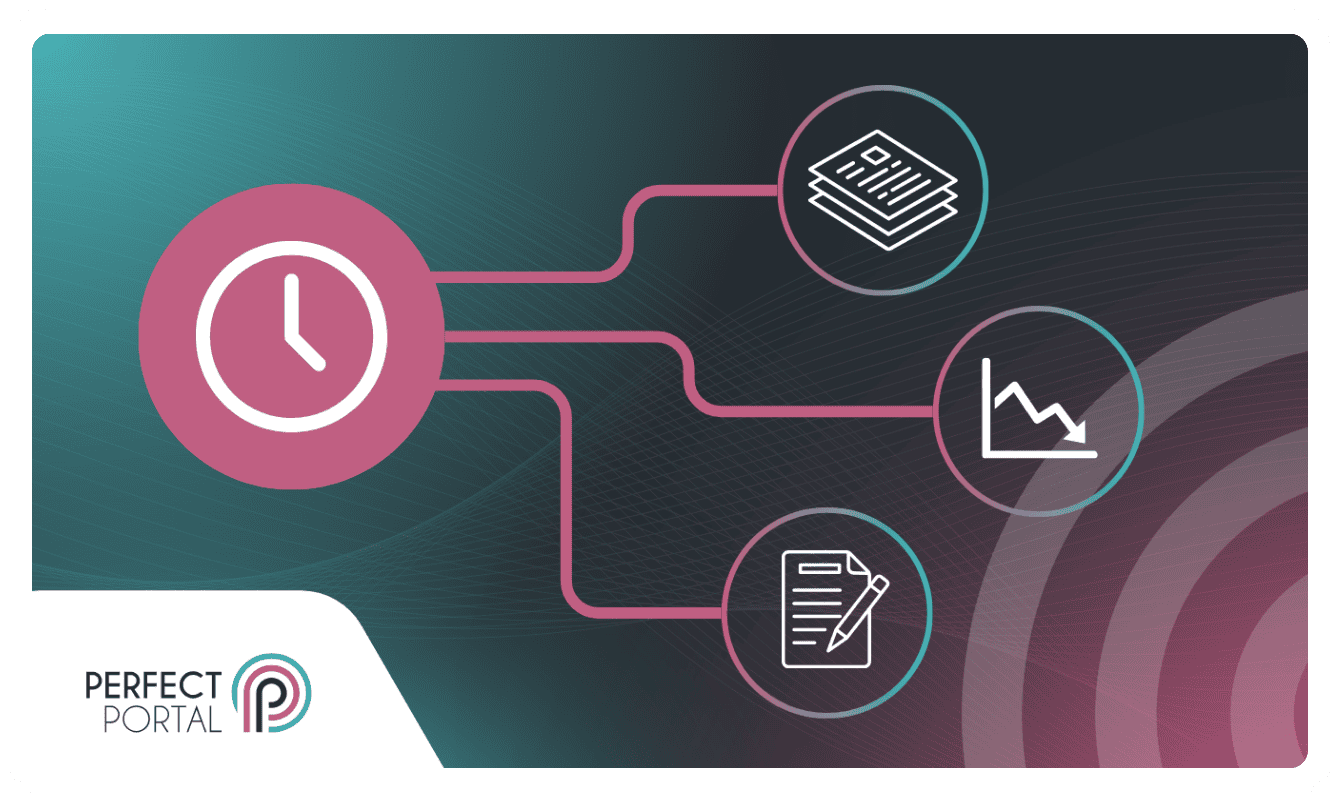
One of the biggest hidden costs is increased administrative burden. When onboarding processes are unclear or unstructured, teams spend more time chasing missing information, correcting errors, and repeating tasks that could have been handled at the start. What should be a smooth handover from enquiry to instruction quickly becomes time-consuming and fragmented.
Delays that impact the entire matter.
Delays are another common consequence. Missing details, incomplete forms, and back-and-forth communication can slow down the onboarding process before a matter has even properly begun. These early delays often carry through the rest of the transaction, creating pressure on timelines and increasing the risk of further bottlenecks later on.
The impact on fee earners.
Fee earners also feel the impact. Time spent following up on basic information or dealing with onboarding issues is time taken away from higher-value work. Instead of focusing on progressing matters and supporting clients, fee earners can find themselves pulled into administrative tasks that reduce productivity and efficiency across the board.
A knock-on effect across the firm.
There’s also a wider impact on how work flows through the firm. When onboarding isn’t running smoothly, it creates inconsistencies in the quality and completeness of information being passed on. This can lead to miscommunication, duplicated effort, and additional checks further down the line – adding even more pressure to already busy teams.
Costs that often go unnoticed.
What makes this particularly challenging is that these costs often go unnoticed. They’re spread across different roles, tasks, and stages of the process, making them harder to measure but no less significant. Over time, they add up to lost hours, slower turnaround times, and a more strained working environment.
A better approach to onboarding.
Improving onboarding isn’t just about making things easier for clients – it’s about creating a more efficient, predictable way of working for the entire firm. When information is captured clearly from the outset and processes are joined up, teams spend less time chasing, correcting, and repeating work. The result is a smoother workflow, better use of time, and more capacity to focus on delivering value.
As firms continue to look for ways to work smarter and manage growing workloads, onboarding is an area that deserves closer attention. Small improvements at the start can have a significant impact across the entire journey.
RESOURCES
Insights to help
law firms work smarter
- CASE STUDY
How BLJ leveraged Perfect Portal for smarter data, clearer journeys and measurable growth.
Discover how

- CASE STUDY
How Cook & Talbot modernised client communication with Perfect Portal to win more work.
Discover how
- CASE STUDY
How GloverPriest unified systems and improved efficiency through Tikit P4W and Perfect Portal.
Discover how

- CASE STUDY
How Perfect Portal’s digital onboarding solution helped Lyons Bowe improve compliance and client experience.
Discover how
- BLOG
The modern client onboarding journey starts with compliance.
- BLOG
The hidden operational cost of client onboarding for law firms.
- BLOG
Why client onboarding still frustrates your clients.
- BLOG
Perfect Portal wins Legal Supplier of the Year.

- BLOG
How better lead capture sets firms up for smoother onboarding.
- BLOG
From click to client: How Perfect Portal can help your firm capture more business.
- BLOG
From visibility to conversion: The next challenge for conveyancers.
- BLOG
The first touchpoint shift: How home buying reform could redefine the Conveyancer’s role.
- BLOG
Why first impressions matter when winning new legal work.
- Webinar
App based digital onboarding solution: InfoTrack eCOS + Perfect Portal integration.
Watch recording